%201%20(1).svg)


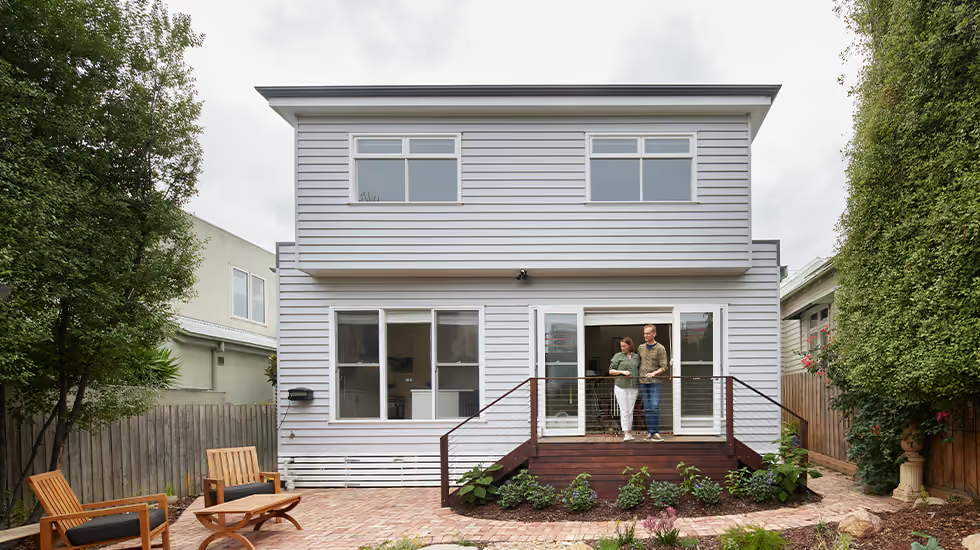
Table of contents

If you’re looking to boost property value without moving, a well-planned home extension can be one of the smartest investments you make. In Australia’s current market, renovations and additions continue to surge, with billions spent each year on improving existing homes rather than buying new ones.
But not all additions deliver the same return. The type you choose plays a major role in how much value you actually add. That’s where a smart renovation strategy comes in.
Why adding the right type of extension increases property value
A successful home extension is not defined solely by size. It is defined by how well the extension type enhances the home as a whole.
Choosing the right extension type increases property value by improving both liveability and buyer appeal. Every design decision should contribute to a more functional, cohesive and desirable home environment.
A strategic home extension delivers value by:
- Integrating seamlessly with the existing layout, avoiding disconnected or awkward spaces
- Increasing usable living areas, not just adding square metres
- Elevating design quality and street appeal, which influences buyer perception
- Maximising light, ventilation and orientation, key factors in Australian homes
- Targeting the right buyer demographic, such as growing families or lifestyle-focused buyers
With a sound renovation strategy, a home extension becomes a long-term investment rather than just a short-term upgrade.
Second-storey extensions that add significant living space and appeal
A second-storey extension is one of the most effective ways to add value to your home without sacrificing outdoor space. For many homeowners, it’s a smart renovation strategy when the block size limits ground-level expansion.
By building up instead of out, you can create additional bedrooms, extra living areas or even a private retreat. This added space not only improves how liveable your home feels, but also makes it far more appealing to prospective buyers.
Second-storey extensions can boost property value by:
- Adding extra bedrooms and bathrooms, which are a huge draw for buyers, especially in family homes
- Creating separate living zones, improving comfort and flexibility for growing households
- Enhancing street appeal, as a well-designed upper level can transform the look of your home
- Preserving outdoor space, leaving room for a deck, pergola or outdoor living area
- Delivering a strong return on investment, particularly in high-demand suburbs where space is limited
While the cost is typically higher than some other extension types, the long-term value and buyer appeal can outweigh the upfront investment when done properly.
Ground-floor extensions that improve flow and usability
If your home feels cramped or disconnected, a ground-floor extension can completely change the way you live in it.
Instead of adding rooms that feel separate, this type of extension focuses on bringing everything together. It’s a smart way to improve your floor plan and make everyday living more comfortable.
A ground-floor extension can boost usability by:
- Opening up living areas to create a more social, open-plan layout
- Improving how spaces connect, so your home flows more naturally
- Making your home feel larger, even without adding excessive space
- Creating better access to outdoor areas, perfect for entertaining or relaxing
- Adapting the layout to modern living, where flexibility is key
For many homeowners, it’s one of the most practical ways to improve both lifestyle and property value.
Kitchen and living room extensions that modern buyers look for
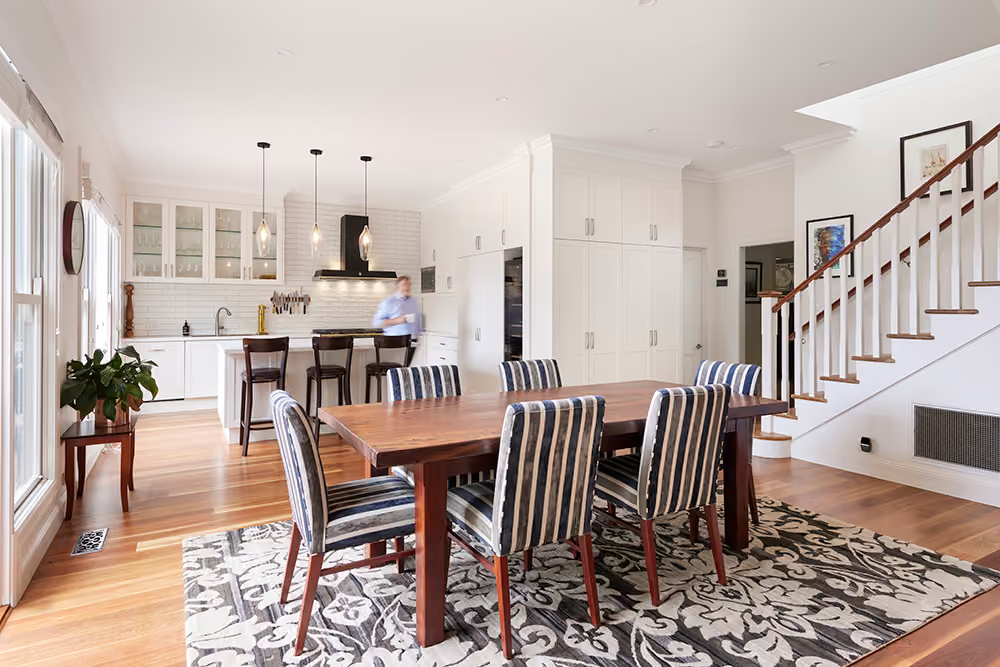
If there’s one area that can make or break buyer appeal, it’s the kitchen and living space. These are the zones buyers look at first, and they often determine how your home feels overall.
A kitchen extension or living room extension is a great idea if your current layout feels closed off or outdated. Opening up the rear or side of your home can create a more social, functional space that suits modern living.
This type of home improvement can boost property value by:
- Making your home feel larger, even without adding excessive floor space
- Creating better flow between cooking, dining and relaxation areas
- Adding features buyers are looking for, like ample storage and modern finishes
- Improving connection to outdoor areas, perfect for outdoor dining and entertaining
- Refreshing the look and feel, with simple changes like new light, colour updates or upgraded fixtures
For many homeowners, this is one of the most valuable ways to add value while making the home more enjoyable to live in.
Bedroom and bathroom additions that increase your home’s marketability
If your home doesn’t quite meet the needs of modern living, adding another bedroom or bathroom can make a big difference. It’s one of the simplest ways to boost your property’s value while making your home more practical.
Buyers are often willing to spend more on homes that offer flexibility. Whether it’s space for a growing family, guests or a home office, an additional bedroom instantly makes your property more appealing.
This type of home improvement can boost your property value by:
- Adding another bedroom, giving your home more flexibility and usability
- Including an extra bathroom, which improves comfort and convenience
- Making your house more appealing to buyers, especially families
- Supporting future needs, such as multi-generational living or rental potential
- Strengthening overall marketability, helping your home stand out at sale time
For many homeowners, this is a straightforward way to add value without significantly altering the home's structure.

Explore how Supa Group delivered Melbourne home extension projects
From modern open-plan living upgrades to full second-storey additions, each project is designed to suit the home and the homeowner.
Alfresco extensions that enhance lifestyle value
Alfresco areas are highly sought-after in Australian homes because they expand the ways you use your living space. These types of home extensions focus on lifestyle, creating flexible areas for relaxing, dining and entertaining.
An alfresco area can transform how your home feels by improving the indoor–outdoor flow. Whether it’s adding a deck or paving a new outdoor area, these upgrades can boost property value by making your home more livable and appealing.
If you plan to renovate your home, this is a practical way to add value while making everyday living more enjoyable.
What to consider when choosing the best extension type for your property
Choosing a home extension involves more than deciding which room to add. A clear planning process helps ensure the finished space suits your home, lifestyle and investment goals.
- 01

Step 1: Assess your existing home
Review the current floor plan, room sizes, natural light and how people move through the home. Identify where the layout feels cramped, disconnected or no longer practical.
- 02
Step 2: Define your space requirements
Consider what your household needs now and in the future. This may include extra bedrooms, another bathroom, a larger kitchen, separate living areas or better access to the backyard.
- 03
Step 3: Review your block and building constraints
Assess the block size, orientation, setbacks and available outdoor area. Smaller properties may suit an upper-storey addition, while larger blocks may allow the home to extend at ground level.
- 04
Step 4: Set a realistic project budget
Establish how much you can invest and prioritise improvements that deliver meaningful benefits. Allow for design, approvals, construction, finishes and a contingency for unexpected costs.
- 05
Step 5: Check planning and approval requirements
Local planning controls, building regulations and site conditions can affect what you are permitted to build. Checking these requirements early reduces the risk of redesigns or delays.
- 06
Step 6: Develop a cohesive design
Work with an experienced extension specialist to create a design that connects with the existing home. Materials, rooflines, room placement and internal flow should make the addition feel like part of the original property.
Taking these factors into account helps ensure your home extension adds real value and supports how you live.
Common mistakes when planning value-adding home extensions
The success of a home extension is not just about what you build, but how well it is planned and executed. Poor decisions during the design and construction process can undermine the value-adding potential of the project.
To protect the value of your home, it’s important to avoid the following:
- Inconsistent design that doesn’t integrate with the existing home, reducing overall cohesion
- Inefficient layouts that fail to improve usability, limiting the impact of the extension
- Engaging a low-quality builder, which can compromise workmanship and long-term durability
- Ignoring local council regulations, leading to compliance issues and delays
- Overinvesting without considering market expectations, affecting resale outcomes
- Focusing on cosmetic upgrades alone, rather than meaningful improvements to layout and function
How Supa Group can add value to your home extension
Maximising the value of a home extension requires a considered approach to both design and construction. Supa Group’s design and construct service is built around delivering cohesive, high-performing spaces that enhance both liveability and property value.
By managing the entire process in-house, Supa Group ensures that every stage of the project aligns with a clear strategy. This reduces risk, improves efficiency and delivers a more consistent outcome.
Home extension FAQs
Do I need planning permits for a home extension renovation?
Most home extensions in Australia require planning permits or building approvals, depending on the scope of the work. This includes larger projects, such as adding new structures. Local council requirements vary, so it’s important to check early to avoid delays during your renovation.
How long does a home extension take to complete?
Timelines depend on the extension type, size and complexity. Smaller projects may take a few months, while larger extensions, such as second-storey builds, can take longer due to design, approvals, and construction stages.
What affects the cost of a home extension?
Costs vary based on design, materials and inclusions. Features like heating and cooling, splashbacks, re-tiling, fixtures such as a new sink, or structural changes can all influence the total budget, especially in a kitchen renovation.
Will a home extension disrupt daily life?
Some level of disruption is expected, especially during structural work. However, working with experienced builders can help minimise inconvenience. Planning ahead, such as setting up temporary spaces or adding a new living area, can make the process more manageable.
Which extension type adds the most value?
The best option depends on your property and goals. Extensions that improve usability, such as open-plan living areas, extra bedrooms with built-in wardrobe space, or outdoor spaces like a pergola or deck, tend to add the most value and give your property stronger buyer appeal.
What ideas add value when extending a home?
The best ideas to boost property value focus on usability and lifestyle. Open-plan living, outdoor space upgrades like adding a deck, could add flexibility and long-term appeal. Buyers are also drawn to homes where key areas make your kitchen look modern and functional.
Can simple changes still add value to your property?
Yes. Simple changes can still add value to your property. Updates like a fresh coat of paint, improved lighting or minor upgrades such as re-tiling or new fixtures can enhance presentation. First impressions count, so even small improvements can make a big difference.
What small upgrades can further boost your property value?
Alongside major extensions, smaller improvements could add extra appeal. Investing in your garden, improving landscape features, or making simple updates to key areas can help give your property a more finished, inviting feel.
Start your value-adding extension project with Supa Group
Ready to boost property value and transform how your home works? Partnering with the right team is the first step toward a successful outcome.
Supa Group specialises in design and construct home extension projects, helping homeowners create spaces that are practical, modern and built to last. From initial consultation through to construction, every stage is carefully planned to maximise both lifestyle and long-term value.
Whether you’re considering a second-storey addition, a ground-floor extension or a new living area, Supa Group can guide you through the process with expert advice and tailored solutions.
Book a consultation today and take the first step toward a home extension project that adds real value.