Take a virtual tour through your design!
SEE HOW IT WORKS
0800 010 010
Free consultation
<script type="application/ld+json"> { "@context": "https://schema.org", "@graph": [ { "@type": "HomeAndConstructionBusiness", "@id": "https://www.supagroup.com.au/#localbusiness", "url": "https://www.supagroup.com.au/", "name": "Supa Group Constructions", "alternateName": "Supa Group", "logo": { "@type": "ImageObject", "url": "https://cdn.prod.website-files.com/6200ab7bd1b688e56897b19f/6720814ea1f23d578ee524b0_supa-group-50-years-strong-logo.webp", "height": "100", "width": "100", "name": "Supa Group Constructions Logo" } }, { "@type": "Article", "@id": "https://www.supagroup.com.au/blog/do-you-need-a-permit-for-your-home-extension-or-renovation#Article", "mainEntityOfPage": { "@type": "WebPage", "@id": "https://www.supagroup.com.au/blog/do-you-need-a-permit-for-your-home-extension-or-renovation" }, "headline": "Do you need a permit for your home extension or renovation in Melbourne?", "description": "Planning a home extension or renovation is exciting, but before any building work begins, one of the first questions most Melbourne homeowners ask is: When do you need a building permit? In Victoria, permits are essential to ensuring your project meets the required safety, structural, and legal standards. Depending on the type of renovation you're undertaking, you may also need town planning approval from your local council before a building permit can be issued.", "author": { "@type": "Organization", "name": "Supa Group", "url": "https://www.supagroup.com.au/" }, "datePublished": "2018-02-20", "dateModified": "2026-04-19", "publisher": { "@id": "https://www.supagroup.com.au/#localbusiness" }, "hasPart": [ { "@id": "https://www.supagroup.com.au/blog/do-you-need-a-permit-for-your-home-extension-or-renovation#do-you-need-a-permit-for-your-home-extension-or-renovation-in-melbourne" }, { "@id": "https://www.supagroup.com.au/blog/do-you-need-a-permit-for-your-home-extension-or-renovation#steps-to-apply-for-a-building-permit-in-melbourne" }, { "@id": "https://www.supagroup.com.au/blog/do-you-need-a-permit-for-your-home-extension-or-renovation#frequently-asked-questions-about-building-permits-in-victoria" } ], "mentions": [ { "@id": "https://www.supagroup.com.au/blog/do-you-need-a-permit-for-your-home-extension-or-renovation#what-is-a-building-permit" }, { "@id": "https://www.supagroup.com.au/blog/do-you-need-a-permit-for-your-home-extension-or-renovation#what-is-town-planning-approval" }, { "@id": "https://www.supagroup.com.au/blog/do-you-need-a-permit-for-your-home-extension-or-renovation#when-do-you-need-a-building-permit" }, { "@id": "https://www.supagroup.com.au/blog/do-you-need-a-permit-for-your-home-extension-or-renovation#when-do-you-not-need-a-building-permit" }, { "@id": "https://www.supagroup.com.au/blog/do-you-need-a-permit-for-your-home-extension-or-renovation#how-much-does-a-building-permit-cost" }, { "@id": "https://www.supagroup.com.au/blog/do-you-need-a-permit-for-your-home-extension-or-renovation#what-happens-if-you-build-without-a-permit" } ], "about": [ { "@type": "Thing", "name": "Building permit", "sameAs": "https://en.wikipedia.org/wiki/Building_permit" }, { "@type": "Thing", "name": "Melbourne", "sameAs": "https://en.wikipedia.org/wiki/Melbourne" }, { "@type": "Thing", "name": "Victoria", "sameAs": "https://en.wikipedia.org/wiki/Victoria_(Australia)" } ] }, { "@type": "DefinedTermSet", "@id": "https://www.supagroup.com.au/blog/do-you-need-a-permit-for-your-home-extension-or-renovation#what-is-a-building-permit", "name": "What is a building permit?", "description": "A building permit is your green light to start construction. It ensures that your plans comply with all relevant building codes and safety standards set out in the Building Act 1993. This legislation governs how construction projects must be managed in Victoria to ensure they're safe, durable, and compliant. Building permits are issued by Private or Council building surveyors, who inspect the submitted plans and ensure they meet the regulations set out in the National Construction Code (NCC). Building permits should not be confused with planning permits, which are required if the subject property has certain constraints (such as a heritage building overlay). For most projects, you'll need a building permit in Melbourne if you're: Adding a house extension or new structure, like a deck or carport. Making structural changes, such as removing or adding walls. Installing features like swimming pools, spas, or large sheds. To apply, you'll need detailed documentation, including: Architectural plans and drawings. Engineering reports for structural elements. Energy efficiency ratings, like a NatHERS certificate. A registered building surveyor will review your application to ensure it complies with Victorian building codes and regulations. Understanding the difference between town planning approval and a building permit is crucial to keeping your project on track. While the paperwork might seem overwhelming, these approvals ensure your home is safe, compliant, and built to last.", "hasDefinedTerm": { "@type": "DefinedTerm", "name": "Building permit", "description": "A building permit is your green light to start construction. It ensures that your plans comply with all relevant building codes and safety standards set out in the Building Act 1993.", "inDefinedTermSet": "https://www.supagroup.com.au/blog/do-you-need-a-permit-for-your-home-extension-or-renovation#what-is-a-building-permit", "sameAs": "https://en.wikipedia.org/wiki/Building_permit" } }, { "@type": "DefinedTermSet", "@id": "https://www.supagroup.com.au/blog/do-you-need-a-permit-for-your-home-extension-or-renovation#what-is-town-planning-approval", "name": "What is town planning approval?", "description": "Town planning approval is all about making sure your project fits within the broader rules for your neighbourhood. Councils use this process to protect the character and zoning of local areas, ensuring that developments don't clash with the surrounding environment. You'll typically need town planning approval if your project involves: Extending your home on a small or sensitive block. Building close to property boundaries or in heritage overlay areas. Making significant changes to the appearance of your property, like adding a second storey or a new façade. Developing a unit or townhouse on residential land. The exact rules vary between councils, but the goal is always the same: to ensure projects align with the vision for the local area.", "hasDefinedTerm": { "@type": "DefinedTerm", "name": "Town planning approval", "description": "Town planning approval is all about making sure your project fits within the broader rules for your neighbourhood. Councils use this process to protect the character and zoning of local areas, ensuring that developments don't clash with the surrounding environment.", "inDefinedTermSet": "https://www.supagroup.com.au/blog/do-you-need-a-permit-for-your-home-extension-or-renovation#what-is-town-planning-approval", "sameAs": "https://en.wikipedia.org/wiki/Urban_planning" } }, { "@type": "ItemList", "@id": "https://www.supagroup.com.au/blog/do-you-need-a-permit-for-your-home-extension-or-renovation#when-do-you-need-a-building-permit", "name": "When do you need a building permit?", "description": "Most projects that involve significant structural changes or additions to your home will need a building permit. Common examples include:", "itemListOrder": "https://schema.org/ItemListUnordered", "numberOfItems": 6, "itemListElement": [ { "@type": "ListItem", "position": 1, "name": "House extensions", "item": "Whether you're adding an extra room, extending your kitchen, or building a second storey, you'll need a house extension permit." }, { "@type": "ListItem", "position": 2, "name": "Structural renovations", "item": "Removing or adding load-bearing walls or major alterations to your home's layout will require approval." }, { "@type": "ListItem", "position": 3, "name": "Pools and spas", "item": "Installing a swimming pool or spa, along with the necessary fencing, must comply with strict safety standards and requires a permit." }, { "@type": "ListItem", "position": 4, "name": "Decks and verandahs", "item": "Larger decks, verandahs, or outdoor entertaining areas often need approval, especially if they are elevated." }, { "@type": "ListItem", "position": 5, "name": "Carports and garages", "item": "Adding a new carport, garage, or any covered outdoor area generally requires a permit." }, { "@type": "ListItem", "position": 6, "name": "Retaining walls", "item": "Walls over a certain height (usually 1 metre) or those near property boundaries will need approval." } ] }, { "@type": "ItemList", "@id": "https://www.supagroup.com.au/blog/do-you-need-a-permit-for-your-home-extension-or-renovation#when-do-you-not-need-a-building-permit", "name": "When do you not need a building permit?", "description": "Some minor works and renovations are considered exempt from needing a building permit. These are often small, non-structural projects that don't affect safety or compliance. Examples include:", "itemListOrder": "https://schema.org/ItemListUnordered", "numberOfItems": 6, "itemListElement": [ { "@type": "ListItem", "position": 1, "name": "Small garden sheds", "item": "Freestanding sheds under a certain size (typically less than 10 square metres) may not require a permit, but placement and height restrictions apply." }, { "@type": "ListItem", "position": 2, "name": "Low-level decks", "item": "Ground-level decks under a specified height (usually 800mm) may be exempt in some areas." }, { "@type": "ListItem", "position": 3, "name": "Minor renovations", "item": "Cosmetic updates like painting, retiling, or replacing cabinets usually don't need approval." }, { "@type": "ListItem", "position": 4, "name": "Fences", "item": "Depending on the height and location, certain fences may not require a permit. Always check with your local council." }, { "@type": "ListItem", "position": 5, "name": "Temporary structures", "item": "Portable items like gazebos or shade sails may not need permits if they're below certain size thresholds." }, { "@type": "ListItem", "position": 6, "name": "Remodelling your bathroom", "item": "As long as it doesn't alter the structure of your home, you don't need a permit for it." } ] }, { "@type": "HowTo", "@id": "https://www.supagroup.com.au/blog/do-you-need-a-permit-for-your-home-extension-or-renovation#steps-to-apply-for-a-building-permit-in-melbourne", "name": "Steps to apply for a building permit in Melbourne", "description": "Applying for a building permit in Melbourne might seem daunting, but with the right preparation, it's a straightforward process. A permit ensures your project meets safety and compliance standards, and taking the time to get it right at the start will save you from costly headaches later. Here's a step-by-step guide to help you navigate the process.", "step": [ { "@type": "HowToSection", "name": "Step 1: Prepare your documentation", "position": 1, "text": "Before you even think about submitting your application, it's time to get your paperwork in order. A complete application is key to avoiding delays, so make sure you have everything you need: Architectural plans. These must be detailed and include dimensions, materials, and layouts for all parts of the project. Engineering drawings. If your project involves structural changes, like beams or load-bearing walls, you'll need certified engineering designs. Energy efficiency ratings. In Victoria, you'll need to meet certain energy standards, such as a NatHERS certificate, to ensure your project is environmentally responsible. Title and property information. Your property title and any overlays or covenants need to be included to confirm land use permissions." }, { "@type": "HowToSection", "name": "Step 2: Check council requirements", "position": 2, "text": "Building regulations vary depending on where you live, so it's important to understand your local council's rules before submitting your application. For example, the City of Melbourne may have different requirements than a smaller suburban council. Additionally, some projects may require a planning permit to address zoning, heritage overlays, or other site-specific conditions before you can apply for a building permit. Review zoning regulations. Check if your project complies with local zoning laws or if additional approvals are needed. Confirm overlays. Heritage overlays or bushfire-prone areas can add extra requirements to your permit application. Speak with council officers. Many councils offer pre-application consultations, which can clarify requirements and save you time." }, { "@type": "HowToSection", "name": "Step 3: Submit your application", "position": 3, "text": "Once your documents are ready and you've checked your local council's requirements, it's time to submit your building permit application in Melbourne. Unlike town planning approval, only a private building surveyor or a council-appointed relevant building surveyor can issue a building permit for a proposed building project. Private building surveyors often speed up the process, ensuring your application is reviewed quickly and efficiently. Find a registered building surveyor. Use the Victorian Building Authority (VBA) website (https://www.vba.vic.gov.au/) to locate a qualified professional. Lodge your documents. Provide all required paperwork, including plans, engineering reports, and energy ratings. Pay application fees. Fees vary depending on the project's size and complexity, so confirm costs with your surveyor beforehand. A building permit levy, a state-imposed fee to support regulatory oversight and compliance monitoring for construction works, may also apply. Be sure to check this cost with your building surveyor." }, { "@type": "HowToSection", "name": "Step 4: Respond to feedback and approval", "position": 4, "text": "Once your application is lodged, the building surveyor will review your documents to ensure everything complies with building codes and safety standards. Be prepared for some back-and-forth during this stage. Address requests for additional information. The surveyor might ask for clarifications, updated drawings, or extra documentation, like soil reports. Make amendments if needed. If something in your plans doesn't meet compliance, you'll need to revise and resubmit the affected documents. Receive your approval. Once everything is in order, your building permit can be issued, allowing you to start construction." } ] }, { "@type": "ItemList", "@id": "https://www.supagroup.com.au/blog/do-you-need-a-permit-for-your-home-extension-or-renovation#how-much-does-a-building-permit-cost", "name": "How much does a building permit cost?", "description": "Building permits are a must for most home extensions and renovations, but they come with costs that can vary depending on your project's size and complexity. Based on our experience, we've seen fees range widely across Victoria, especially between inner-city Melbourne and the suburbs. Not all permits cost the same, and several factors can influence the final amount. From what we've seen, here's a general idea of what you might expect to pay for different types of projects: Small renovations or non-structural works: Fees $500–$1,500. Example: Minor bathroom upgrades or installing a pergola. Single-storey house extensions: Fees $1,500–$3,000. Example: Adding a new bedroom or extending your living area. Multi-storey extensions or complex renovations: Fees $3,000–$5,000+. Example: Adding a second storey or significant structural changes. Swimming pools and spas: Fees $1,000–$2,500 (including fencing compliance). Additional: $200–$500 per inspection, depending on the surveyor and complexity of the project.", "itemListElement": [ { "@type": "ListItem", "position": 1, "name": "The complexity of your project", "item": "A straightforward single-storey extension will cost less than a multi-storey renovation, which requires additional engineering and documentation." }, { "@type": "ListItem", "position": 2, "name": "Inspection fees", "item": "During construction, mandatory inspections (such as footings or final sign-off) will increase your overall costs." }, { "@type": "ListItem", "position": 3, "name": "Specialist reports", "item": "Depending on your site, you might need soil testing, energy efficiency ratings, or reports for heritage or bushfire overlays, which come at an extra charge." }, { "@type": "ListItem", "position": 4, "name": "Amendments and resubmissions", "item": "If your plans require adjustments or additional reviews, you may incur extra fees." }, { "@type": "ListItem", "position": 5, "name": "Council overlays", "item": "Building in areas with heritage or environmental overlays often entails additional requirements and costs." } ] }, { "@type": "ItemList", "@id": "https://www.supagroup.com.au/blog/do-you-need-a-permit-for-your-home-extension-or-renovation#what-happens-if-you-build-without-a-permit", "name": "What happens if you build without a permit?", "description": "Building without a permit might seem like a shortcut, but it's a risk that can lead to serious consequences. From fines and legal action to trouble selling your home later on, skipping this crucial step often creates more headaches than it's worth. The first thing you'll face if you build without a permit is potential legal and financial trouble. Victorian authorities take building compliance seriously, and penalties can add up fast.", "itemListElement": [ { "@type": "ListItem", "position": 1, "name": "Fines and penalties", "item": "Councils can issue hefty fines for non-compliance, with some penalties exceeding $10,000 depending on the project and the breach." }, { "@type": "ListItem", "position": 2, "name": "Demolition orders", "item": "If your build doesn't meet regulations, you could be ordered to partially or fully demolish the work, an expensive and frustrating process." }, { "@type": "ListItem", "position": 3, "name": "Insurance voids", "item": "Many insurance providers won't cover work done without the proper permits. This means you're on your own if something goes wrong during or after construction." }, { "@type": "ListItem", "position": 4, "name": "Costly rectifications", "item": "Retrofitting work to meet building codes is often more expensive than doing it right the first time." } ] }, { "@type": "FAQPage", "@id": "https://www.supagroup.com.au/blog/do-you-need-a-permit-for-your-home-extension-or-renovation#frequently-asked-questions-about-building-permits-in-victoria", "mainEntity": [ { "@type": "Question", "name": "Do I need a building permit for a house extension?", "acceptedAnswer": { "@type": "Answer", "text": "Yes, you do. Any project involving structural changes, like a new room, second storey, or major renovations, will require a permit for a house extension. The permit ensures your plans meet Victorian building codes and safety standards. There are some exemptions for minor works, but it's always best to check with a building surveyor or your council if you're unsure." } }, { "@type": "Question", "name": "How long does it take to get a building permit?", "acceptedAnswer": { "@type": "Answer", "text": "The timeline depends on the complexity of your project and the completeness of your application form when it's submitted. For straightforward extensions, you can expect approval within 2–4 weeks. More complex projects, such as multi-storey builds or those requiring additional reports, may take 6–8 weeks. Starting with all your documents in order can help speed up the process." } }, { "@type": "Question", "name": "Can I apply for a building permit myself?", "acceptedAnswer": { "@type": "Answer", "text": "Technically, yes, but it's not always straightforward. Applications must be submitted to a registered building surveyor, who will require detailed plans, engineering reports, and other documentation. If you're confident managing the process, you can handle it yourself. However, most homeowners prefer to have experts manage the application to ensure everything is accurate and compliant from the start." } } ] } ] } </script>
Do you need a permit for your home extension or renovation in Melbourne?Do you need a permit for your home extension or renovation in Melbourne?

Do you need a permit for your home extension or renovation in Melbourne?

See all articlesKitchen and alfresco renovation
Building Advice
By
Supa Group
Supa Group
April 17, 2026
Director of Building
April 19, 2026
13
minute read

[section id="do-you-need-a-permit-for-your-home-extension-or-renovation-in-melbourne" format="overview"]

Do you need a permit for your home extension or renovation in Melbourne?

Planning a home extension or renovation is exciting, but before any building work begins, one of the first questions most Melbourne homeowners ask is: When do you need a building permit?

In Victoria, permits are essential to ensuring your project meets the required safety, structural, and legal standards. Depending on the type of renovation you're undertaking, you may also need town planning approval from your local council before a building permit can be issued.

In this guide, we'll explain the difference between planning permits and building permits, outline the types of building work that require approval, and walk you through the steps to ensure your extension or renovation stays compliant from start to finish, with support from Supa Group's experienced team.

Ground floor home extension renovation in Melbourne featuring a timber deck and outdoor stairs.

[/section]

[section id="what-is-a-building-permit" format="overview"]

What is a building permit?

A building permit is your green light to start construction. It ensures that your plans comply with all relevant building codes and safety standards set out in the Building Act 1993. This legislation governs how construction projects must be managed in Victoria to ensure they're safe, durable, and compliant.

Building permits are issued by Private or Council building surveyors, who inspect the submitted plans and ensure they meet the regulations set out in the National Construction Code (NCC). Building permits should not be confused with planning permits, which are required if the subject property has certain constraints (such as a heritage building overlay).

For most projects, you'll need a building permit in Melbourne if you're:

  • Adding a house extension or new structure, like a deck or carport.
  • Making structural changes, such as removing or adding walls.
  • Installing features like swimming pools, spas, or large sheds.

To apply, you'll need detailed documentation, including:

  • Architectural plans and drawings.
  • Engineering reports for structural elements.
  • Energy efficiency ratings, like a NatHERS certificate.

A registered building surveyor will review your application to ensure it complies with Victorian building codes and regulations.

Understanding the difference between town planning approval and a building permit is crucial to keeping your project on track. While the paperwork might seem overwhelming, these approvals ensure your home is safe, compliant, and built to last.

[/section]

[section id="what-is-town-planning-approval" format="overview"]

What is town planning approval?

Town planning approval is all about making sure your project fits within the broader rules for your neighbourhood. Councils use this process to protect the character and zoning of local areas, ensuring that developments don't clash with the surrounding environment.

You'll typically need town planning approval if your project involves:

  • Extending your home on a small or sensitive block.
  • Building close to property boundaries or in heritage overlay areas.
  • Making significant changes to the appearance of your property, like adding a second storey or a new façade.
  • Developing a unit or townhouse on residential land.

The exact rules vary between councils, but the goal is always the same: to ensure projects align with the vision for the local area.

[/section]

[section id="when-do-you-need-a-building-permit" format="ul"]

When do you need a building permit?

If you're planning a home extension or renovation in Victoria, figuring out whether you need a building permit is one of the first steps. For most projects that involve structural changes or major additions, a permit isn't optional; it's what keeps your project safe, legal, and up to code. That said, not every project requires one, and some smaller works fall under permitted development extensions.

Knowing the rules can save you a lot of stress (and money) down the line. Here's a simple breakdown of when you'll need a permit and when you might not.

Most projects that involve significant structural changes or additions to your home will need a building permit. Common examples include:

  • House extensions. Whether you're adding an extra room, extending your kitchen, or building a second storey, you'll need a house extension permit.
  • Structural renovations. Removing or adding load-bearing walls or major alterations to your home's layout will require approval.
  • Pools and spas. Installing a swimming pool or spa, along with the necessary fencing, must comply with strict safety standards and requires a permit.
  • Decks and verandahs. Larger decks, verandahs, or outdoor entertaining areas often need approval, especially if they are elevated.
  • Carports and garages. Adding a new carport, garage, or any covered outdoor area generally requires a permit.
  • Retaining walls. Walls over a certain height (usually 1 metre) or those near property boundaries will need approval.

[/section]

[section id="when-do-you-not-need-a-building-permit" format="ul"]

When do you not need a building permit?

Some minor works and renovations are considered exempt from needing a building permit. These are often small, non-structural projects that don't affect safety or compliance. Examples include:

  • Small garden sheds. Freestanding sheds under a certain size (typically less than 10 square metres) may not require a permit, but placement and height restrictions apply.
  • Low-level decks. Ground-level decks under a specified height (usually 800mm) may be exempt in some areas.
  • Minor renovations. Cosmetic updates like painting, retiling, or replacing cabinets usually don't need approval.
  • Fences. Depending on the height and location, certain fences may not require a permit. Always check with your local council.
  • Temporary structures. Portable items like gazebos or shade sails may not need permits if they're below certain size thresholds.
  • Remodelling your bathroom. As long as it doesn't alter the structure of your home, you don't need a permit for it.

Before starting any project, it's always a good idea to check with your local council or a registered building surveyor to confirm whether a permit is required. If you're unsure, Supa Group can guide you through the process to make sure your project is compliant from the start.

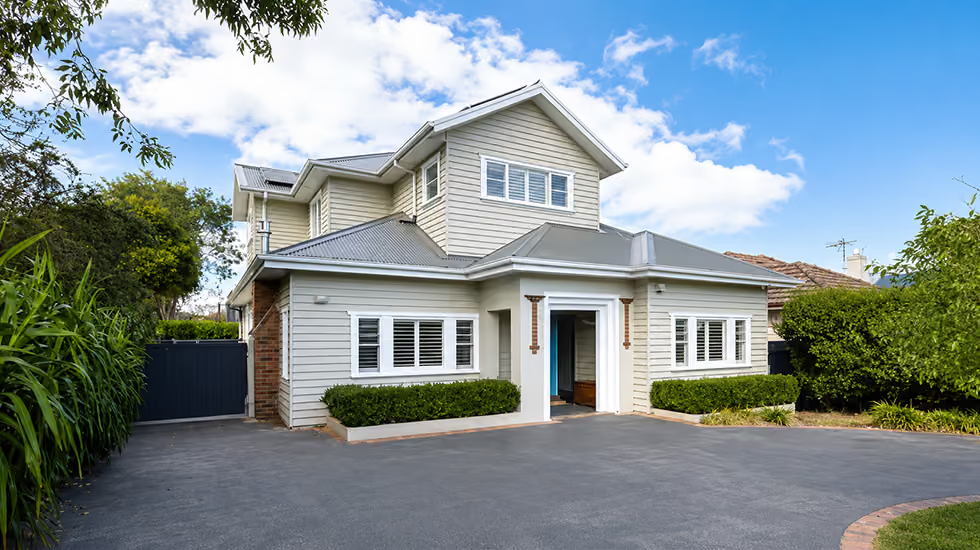
Two-storey house extension in Melbourne requiring building permits and council approval.

[/section]

[section id="steps-to-apply-for-a-building-permit-in-melbourne" format="steps"]

Steps to apply for a building permit in Melbourne

Applying for a building permit in Melbourne might seem daunting, but with the right preparation, it's a straightforward process. A permit ensures your project meets safety and compliance standards, and taking the time to get it right at the start will save you from costly headaches later. Here's a step-by-step guide to help you navigate the process.

[section_inner_1 id="step-1-prepare-documentation" format="ol"]

Step 1: Prepare your documentation

Before you even think about submitting your application, it's time to get your paperwork in order. A complete application is key to avoiding delays, so make sure you have everything you need:

  1. Architectural plans. These must be detailed and include dimensions, materials, and layouts for all parts of the project.
  2. Engineering drawings. If your project involves structural changes, like beams or load-bearing walls, you'll need certified engineering designs.
  3. Energy efficiency ratings. In Victoria, you'll need to meet certain energy standards, such as a NatHERS certificate, to ensure your project is environmentally responsible.
  4. Title and property information. Your property title and any overlays or covenants need to be included to confirm land use permissions.

[/section_inner_1]

[section_inner_1 id="step-2-check-council-requirements" format="ol"]

Step 2: Check council requirements

Building regulations vary depending on where you live, so it's important to understand your local council's rules before submitting your application. For example, the City of Melbourne may have different requirements than a smaller suburban council. Additionally, some projects may require a planning permit to address zoning, heritage overlays, or other site-specific conditions before you can apply for a building permit.

  1. Review zoning regulations. Check if your project complies with local zoning laws or if additional approvals are needed.
  2. Confirm overlays. Heritage overlays or bushfire-prone areas can add extra requirements to your permit application.
  3. Speak with council officers. Many councils offer pre-application consultations, which can clarify requirements and save you time.

[/section_inner_1]

[section_inner_1 id="step-3-submit-application" format="ol"]

Step 3: Submit your application

Once your documents are ready and you've checked your local council's requirements, it's time to submit your building permit application in Melbourne. Unlike town planning approval, only a private building surveyor or a council-appointed relevant building surveyor can issue a building permit for a proposed building project. Private building surveyors often speed up the process, ensuring your application is reviewed quickly and efficiently.

  1. Find a registered building surveyor. Use the Victorian Building Authority's (VBA) website to locate a qualified professional.
  2. Lodge your documents. Provide all required paperwork, including plans, engineering reports, and energy ratings.
  3. Pay application fees. Fees vary depending on the project's size and complexity, so confirm costs with your surveyor beforehand. A building permit levy, a state-imposed fee to support regulatory oversight and compliance monitoring for construction works, may also apply. Be sure to check this cost with your building surveyor.

[/section_inner_1]

[section_inner_1 id="step-4-respond-feedback-approval" format="ol"]

Step 4: Respond to feedback and approval

Once your application is lodged, the building surveyor will review your documents to ensure everything complies with building codes and safety standards. Be prepared for some back-and-forth during this stage.

  1. Address requests for additional information. The surveyor might ask for clarifications, updated drawings, or extra documentation, like soil reports.
  2. Make amendments if needed. If something in your plans doesn't meet compliance, you'll need to revise and resubmit the affected documents.
  3. Receive your approval. Once everything is in order, your building permit can be issued, allowing you to start construction.

[/section_inner_1]

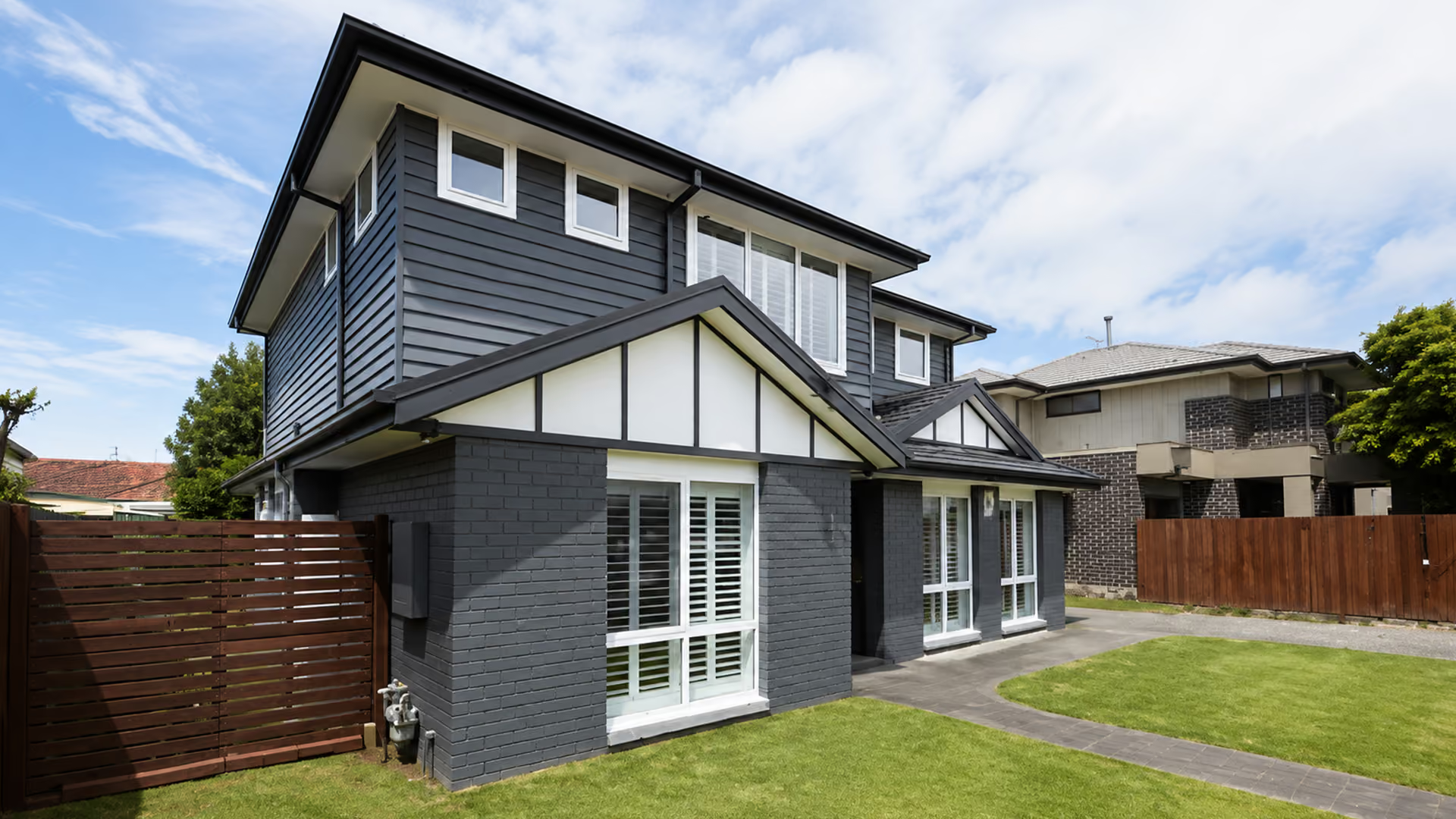
Contemporary Melbourne home renovation with second-storey addition and updated exterior.

[/section]

[section id="why-the-building-permits-register-matters-for-your-project" format="overview"]

Why the Building Permits Register matters for your project

Once your permit application is approved, it's worth checking the public register of building permits. This register records all building permits for building works within the city of Melbourne. Each entry includes a building permit number, which is unique to your project and ensures it is properly documented for future reference.

It's an invaluable resource for homeowners who want to confirm that their project has the appropriate approvals in place.

If you require a building permit, the register helps ensure transparency and compliance with Victorian building codes. It's not just about ticking a box; verifying your permit on the register protects your investment and ensures your home extension or renovation is documented correctly. By doing so, you can avoid potential delays, legal issues, or complications if you decide to sell your property in the future.

Applying for a building permit can feel like a lot of work, but breaking it down into steps makes it manageable. And remember, if you're working with Supa Group, we handle the building and renovation process for you, making sure your application is complete and compliant from the start.

[/section]

[section id="how-much-does-a-building-permit-cost" format="comparison"]

How much does a building permit cost?

Building permits are a must for most home extensions and renovations, but they come with costs that can vary depending on your project's size and complexity. Based on our experience, we've seen fees range widely across Victoria, especially between inner-city Melbourne and the suburbs. While the numbers we're sharing are a helpful rule of thumb, it's always best to check with your council or building surveyor for an accurate quote.

Not all permits cost the same, and several factors can influence the final amount. The Building Regulations 2018 outline specific standards and requirements that may impact your fees, especially for projects involving complex designs or additional reports.

  1. The complexity of your project. A straightforward single-storey extension will cost less than a multi-storey renovation, which requires additional engineering and documentation.
  2. Inspection fees. During construction, mandatory inspections (such as footings or final sign-off) will increase your overall costs.
  3. Specialist reports. Depending on your site, you might need soil testing, energy efficiency ratings, or reports for heritage or bushfire overlays, which come at an extra charge.
  4. Amendments and resubmissions. If your plans require adjustments or additional reviews, you may incur extra fees.
  5. Council overlays. Building in areas with heritage or environmental overlays often entails additional requirements and costs.

From what we've seen, here's a general idea of what you might expect to pay for different types of projects:

Small renovations or non-structural works:

  • Fees: $500–$1,500
  • Example: Minor bathroom upgrades or installing a pergola.

Single-storey house extensions:

  • Fees: $1,500–$3,000
  • Example: Adding a new bedroom or extending your living area.

Multi-storey extensions or complex renovations:

  • Fees: $3,000–$5,000+
  • Example: Adding a second storey or significant structural changes.

Swimming pools and spas:

  • Fees: $1,000–$2,500 (including fencing compliance).

Inspection costs:

  • Additional: $200–$500 per inspection, depending on the surveyor and complexity of the project.

While these costs give you a ballpark idea, every project is different. A house extension permit in an outer suburb might cost less than one in inner-city Melbourne, where additional regulations could come into play.

To get an accurate idea of what your building permit will cost, we always recommend speaking with your council or a registered building surveyor. If you're working with us at Supa Group, we'll handle the process for you and give you a clear breakdown of what to expect upfront.

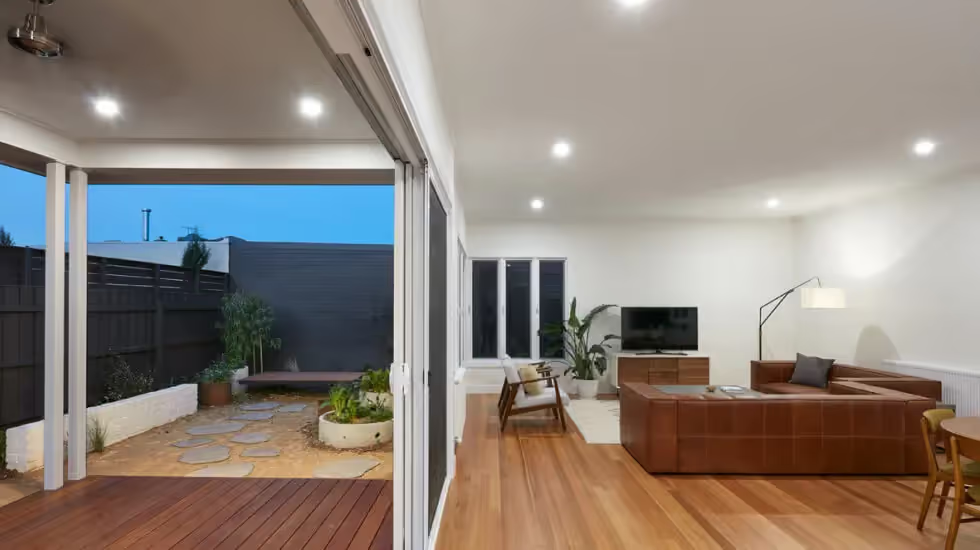
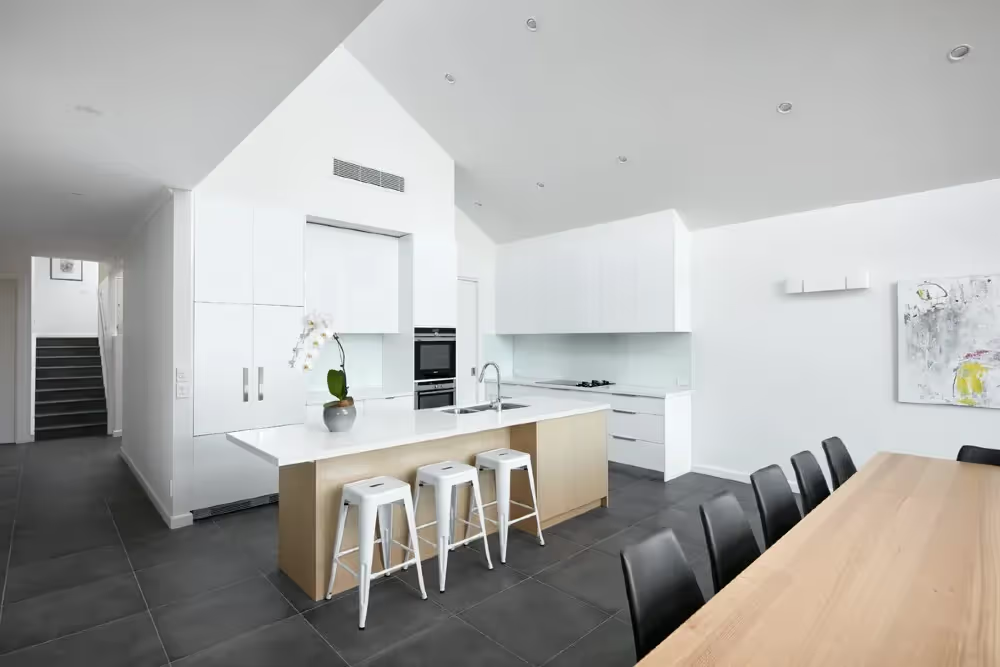
Bright open-plan renovation interior as part of a Melbourne home extension project.

[/section]

[section id="what-happens-if-you-build-without-a-permit" format="ul"]

What happens if you build without a permit?
Building without a permit might seem like a shortcut, but it's a risk that can lead to serious consequences. From fines and legal action to trouble selling your home later on, skipping this crucial step often creates more headaches than it's worth.

We've seen what can go wrong when permits aren't in place, which is why compliance is always a priority for every project we take on. Trying to pull off a house extension without a permit can be costly and time-consuming. Here's what you need to know about the risks of non-compliance.

The first thing you'll face if you build without a permit is potential legal and financial trouble. Victorian authorities take building compliance seriously, and penalties can add up fast.

  • Fines and penalties. Councils can issue hefty fines for non-compliance, with some penalties exceeding $10,000 depending on the project and the breach.
  • Demolition orders. If your build doesn't meet regulations, you could be ordered to partially or fully demolish the work, an expensive and frustrating process.
  • Insurance voids. Many insurance providers won't cover work done without the proper permits. This means you're on your own if something goes wrong during or after construction.
  • Costly rectifications. Retrofitting work to meet building codes is often more expensive than doing it right the first time.

[/section]

[section id="frequently-asked-questions-about-building-permits-in-victoria" format="faq"]

Frequently asked questions about building permits in Victoria

If you're new to building permits, you're not alone. We get asked plenty of questions about the process, so here are clear, no-nonsense answers to some of the most common ones.

[section_inner_1 id="faq-permit-for-extension" format="faq"]

Do I need a building permit for a house extension?

Yes, you do. Any project involving structural changes, like a new room, second storey, or major renovations, will require a permit for a house extension. The permit ensures your plans meet Victorian building codes and safety standards. There are some exemptions for minor works, but it's always best to check with a building surveyor or your council if you're unsure.

[/section_inner_1]

[section_inner_1 id="faq-how-long-permit" format="faq"]

How long does it take to get a building permit?

The timeline depends on the complexity of your project and the completeness of your application form when it's submitted. For straightforward extensions, you can expect approval within 2–4 weeks. More complex projects, such as multi-storey builds or those requiring additional reports, may take 6–8 weeks. Starting with all your documents in order can help speed up the process.

[/section_inner_1]

[section_inner_1 id="faq-apply-myself" format="faq"]

Can I apply for a building permit myself?

Technically, yes, but it's not always straightforward. Applications must be submitted to a registered building surveyor, who will require detailed plans, engineering reports, and other documentation. If you're confident managing the process, you can handle it yourself. However, most homeowners prefer to have experts manage the application to ensure everything is accurate and compliant from the start.

[/section_inner_1]

Modern rear home extension in Melbourne with floor-to-ceiling glass doors and outdoor deck.

[/section]

[section id="supa-group-is-here-to-help-with-your-building-permit" format="cta"]

Supa Group is here to help with your building permit
Navigating town planning approvals and building permits can feel overwhelming. There's paperwork, council rules, and building codes to tackle before you even think about construction. That's where we come in. We've spent years helping homeowners get their projects off the ground, and we know the process inside and out. From preparing your documents to working with councils, our team takes care of the tricky bits so you can focus on what really matters: your new space.

If you are still not sure whether what you plan on doing to your home needs a permit or not, be sure to contact us for clarification. You can also refer to the VBA website.

[free_consultation]Book your free consultation[/free_consultation]

[/section]

Related articles