%201%20(1).svg)


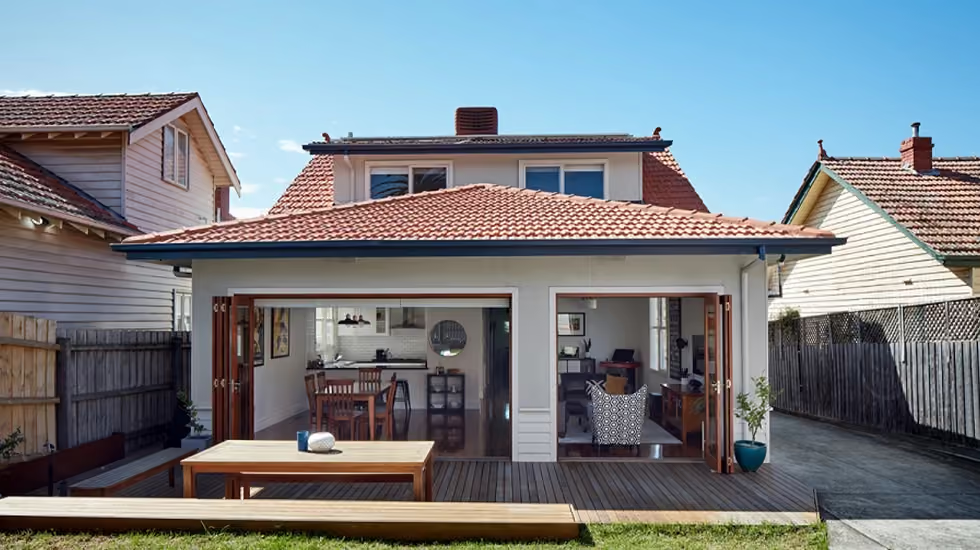
Table of contents

Outgrowing your home is a good problem to have. But it often leads to a bigger question. Do you invest in a house extension or move somewhere new?
Across Australia, more homeowners are choosing to improve rather than relocate. Recent industry data shows renovation spending now accounts for around 40% of all residential construction activity, reflecting a major shift toward upgrading existing homes as property prices reach higher levels.
At the same time, demand for new homes and relocation remains strong, with housing finance and construction activity continuing nationwide, according to the Australian Bureau of Statistics. Many residents are also weighing up whether to enter the rental market temporarily while planning their next move.
So which option is better for you? Let’s break it down so you can decide with confidence.
Key takeaways
- Extending your home can be a smart choice if you love your location but need more space, better functionality or a layout that suits your lifestyle.
- Moving house may suit homeowners who want an immediate change, a different suburb, new neighbours or a completely new property.
- House extensions involve design, approvals and construction, while moving often involves stamp duty, legal fees, agent fees, inspections and relocation costs.
- The right option depends on your block, budget, timeline, family needs and long-term property goals.
- Speaking with an experienced extension specialist can help you understand what is possible before deciding whether to renovate or relocate.
Why do homeowners consider extending or moving?
Homeowners often reach a point where their current home no longer fits their lifestyle. This often comes down to growing space needs or changing lifestyle priorities.
A house that once worked perfectly can start to feel limited as families expand, work-from-home becomes permanent, or storage runs out. Instead of settling, many homeowners begin exploring ways to improve their livability.
This is where the decision between a house extension and moving house comes in. Both options aim to solve the same problem, but in very different ways.
Common reasons homeowners consider extending or moving include:
- Growing families needing extra bedrooms or living areas
- Lifestyle changes, such as working from home or multi-generational living
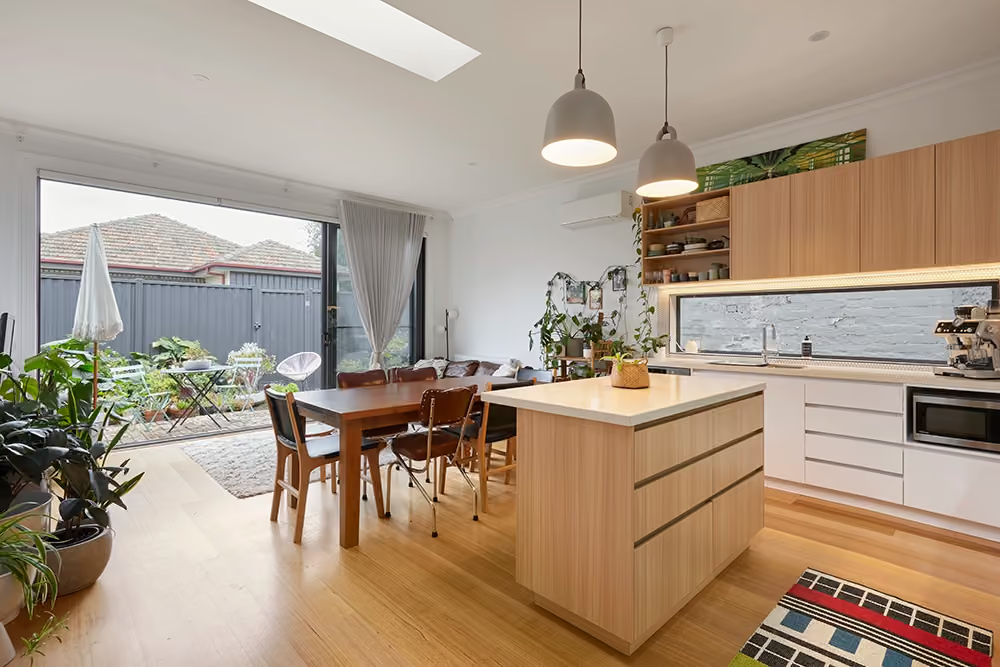
- Desire for modern layouts, open-plan living or better natural light
- Lack of storage or functional space in the current home
- Wanting to increase property value or long-term investment potential
- Feeling constrained by the current layout or block limitations
What’s the difference between extending your home and moving house?
A house extension and moving house are two different pathways to upgrading your lifestyle. Extending focuses on improving the home you already have, while moving gives you the opportunity to start fresh somewhere new.
Here’s how they compare:
What types of extensions can expand your home?
House extensions come in several forms, depending on your block size, budget and how much space you need. Each option offers a different way to improve layout, functionality and overall liveability.
Here are the most common ways to expand your home:
- Rear extension: This ground-floor addition extends the back of your home to create open-plan living, larger kitchens or additional family areas. Ideal for improving indoor-outdoor flow.
- Second-storey extension: Adds a new level to your home, potentially doubling your living space without reducing your backyard. Popular for growing families on smaller blocks.
- Internal reconfiguration: Redesigns your existing layout without expanding the footprint. Focuses on better flow, storage and functionality.
What are the benefits of extending your home?
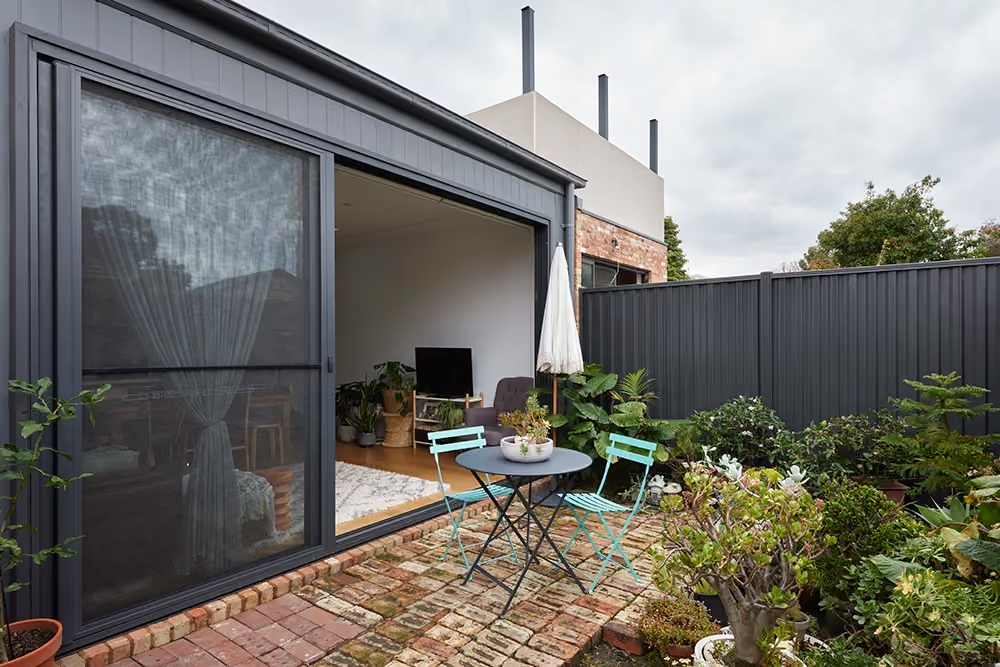
Extending your home offers a practical way to upgrade your space without leaving the location you already enjoy. For many homeowners, it’s a strategic investment that improves both lifestyle and long-term property value.
- Custom design to suit your lifestyle
- Stay in the location you already enjoy
- Support long-term property value

Custom design to suit your needs
You can tailor the layout, finishes and features to match your lifestyle, rather than settling for an existing home’s condition or layout limitations.

Stay in your preferred location
A home extension allows you to keep access to familiar amenities like schools, parks, shops and transport, while maintaining your connection to the local community.

Potential to increase property value
A well-planned extension can enhance resale appeal and support long-term value growth, especially in high-demand suburbs where larger or renovated homes are sought after.

Avoid major relocation costs
Extending your home may help you avoid expenses such as stamp duty, agent fees, legal fees and moving costs that come with buying another property.
.svg)
Flexible financial approach
Many homeowners use equity, construction loans or refinancing options to fund an extension, which may be more manageable than purchasing a new property outright.

Improve liveability without starting over
Extending gives you the opportunity to upgrade your space, improve functionality and create a home that better suits your needs without leaving the place you already know.
What are the drawbacks or limitations of extending?
While a house extension offers many benefits, it’s important to understand the potential limitations before committing. Like any construction project, there are practical and planning factors to consider.
Common drawbacks of extending your home:
- Construction disruption: Building work can impact your daily routine, especially if you remain living in the home during the project. Noise, dust and restricted access are common.
- Council permits and approvals: Some extensions require planning approval, and all require building permits and compliance with local regulations, which can add time to the process.
- Block and site constraints: Your land size, layout and zoning rules may limit what you can build, particularly for ground floor extensions.
- Project timelines: Extensions are not instant. Design, approvals and construction can take several months depending on complexity.
- Budget considerations: Costs can vary based on materials, design changes and site conditions, so careful planning is essential.
What are the benefits of moving house instead of extending?
Moving house can be an effective way to upgrade your lifestyle without going through the construction process. For homeowners who need immediate change, relocation offers a clean and straightforward solution.
- Instant access to more space
- Opportunity for a lifestyle upgrade
- No construction disruption

Instant access to more space
Buying a new property gives you immediate access to the size and layout you need, without waiting for the design, approval and construction process.

Opportunity for a lifestyle upgrade
Moving allows you to choose a suburb that better suits your needs, whether you want to be closer to work, schools, family, transport or lifestyle amenities.

Modern features and design
Newer homes often come with updated layouts, energy-efficient features and fewer maintenance issues, helping you settle into a home that already suits your preferences.

No construction disruption
Moving house means you can avoid the noise, dust and inconvenience that can come with building, renovating or extending your current home.

A fresh start
Relocation gives you the chance to reset your living environment, from the layout and property style to the location and surrounding community.

A cleaner solution for major lifestyle changes
For homeowners who need a significant change, moving can offer a more straightforward pathway than trying to adapt a home that no longer suits their needs.
What are the drawbacks of moving house?
While moving house can offer immediate benefits, it also comes with several financial and emotional considerations. For many homeowners, these factors play a major role in their decision-making.
Common drawbacks of moving house:
- High transaction costs: Buying a new property involves significant fees and charges, including stamp duty, legal fees, agent commissions and other purchase costs.
- Upfront financial pressure: You may need a new deposit, updated mortgage terms and approval from your bank, which can affect your borrowing capacity and long-term financial position.
- Market risk and pricing uncertainty: Property prices, interest rates and market conditions can influence both your sale and purchase, impacting overall value and return.
- Potential compromise on location or features: Finding a home that ticks every box within budget can be challenging, often requiring trade-offs between space, suburb or design.
- Relocation stress: The moving process can be time-consuming and emotionally demanding, especially when balancing timelines, settlements and logistics.
How do extension costs compare to the costs of moving house?
Both options involve significant financial investment, but the cost structures are very different. Extensions tend to spread costs across the build, while moving house often requires a large upfront financial commitment.
Cost comparison: extension vs moving house
What personal and lifestyle factors should influence your decision?
Choosing between a house extension and moving house isn’t just about cost. Your lifestyle needs, future plans and personal circumstances should guide the decision.
Use this checklist to help you weigh up both options.
- Do you want to stay in your current location? If you value your neighbours, suburb, school zones and community ties, extending may be the better fit.
- Are your space needs long-term or temporary? Consider whether your family growth or lifestyle changes are permanent or likely to shift over time.
- Can your current home support an extension? Block size, home condition, layout and planning limitations will affect what’s possible.
- What is your financial position? Compare the cost of funding an extension with that of applying for a new mortgage, including fees and charges.
- How important is the timeline? Moving house offers immediate results, while extensions require planning and construction time.
- Are you prepared for disruption or relocation? Decide whether you’re more comfortable with a build or with the moving process.
- What are your long-term plans? Think about how each option supports your future, including value over time, lifestyle and investment return.
How Supa Group helps homeowners plan successful extension projects
Extending your home can feel overwhelming without the right support. That’s where Supa Group comes in.
Our team works closely with homeowners to simplify the process, starting with a tailored extension design that reflects how you live and what you need from your space. From there, every stage is carefully managed, from approvals through to construction, so you’re not left juggling multiple contractors or timelines.
With clear communication, structured project management and extensive renovation expertise, Supa Group ensures your extension is delivered with confidence, care and attention to detail.
FAQs about choosing between extending or moving house
Is it better to extend, build or buy an existing home?
This depends on your goals. Extending can be ideal if you want to stay where you are, while moving may suit you if you need a completely different property. Comparing the pros and cons of extending vs existing homes helps clarify what fits your situation.
Is extending cheaper than buying a new home or moving house?
In many cases, extending can be more cost-effective, especially when you factor in stamp duty and other fees. However, costs vary depending on your project scope, financing terms and long-term plans.
Will my property value increase if I extend my home?
A well-designed extension can help your property appreciate over time, particularly in established locations. For example, adding an additional bedroom and bathroom will add the most value to your property. However, it’s important to consider local market conditions and avoid overcapitalising.
Can I stay in my home during a renovation or extension?
In many cases, yes. However, depending on the size of the construction work, you may need to rent a short-term accommodation. This is worth factoring into your budget.
What financial factors should I consider when buying a new property?
You’ll need to consider your deposit, mortgage application, credit position, and the overall cost-to-income ratio. There are also ongoing costs, such as maintenance, and potential changes in property value over time.
Are there hidden costs when buying or moving to a new home?
Yes. In addition to purchase costs, there may be fees outlined in loan terms and conditions, along with moving expenses, repairs and adjustments depending on the condition of the property.
Is extending a better long-term property investment?
Extending can be a strong long-term investment, particularly if it improves functionality and enhances overall appeal. It can also help manage depreciation by modernising older areas of the home.

Ready to compare your options? Book a consultation
Choosing between a house extension and moving house is a big decision, and the right advice can make all the difference. Supa Group works with homeowners to assess their space, budget and long-term plans, helping you decide which pathway suits your needs.