%201%20(1).svg)


Table of contents


If your current home no longer suits your family's needs, you don't always have to move. This guide compares an extension with a knockdown rebuild, helping you weigh up costs, timelines, design flexibility and site constraints so you can choose the option that's right for your Melbourne home and long-term lifestyle.
Should you move, knock down and rebuild, or extend and renovate your existing home?
If your home no longer suits your family's needs, moving isn't your only option. For many Melbourne homeowners, the real decision is whether to extend and renovate the existing home or start fresh with a knockdown rebuild. Both approaches can deliver a modern, functional home, but the right choice depends on your budget, lifestyle, site conditions and long-term goals.
An extension allows you to retain the location you love while adding valuable living space and preserving your home's character. In many cases, it can also be a more cost-effective alternative to rebuilding, particularly when you consider demolition costs, temporary accommodation and the expense of constructing a brand-new home.
A knockdown rebuild, on the other hand, offers complete design freedom and the opportunity to create a home tailored to your exact requirements. However, it typically involves a larger financial investment and a longer construction journey.
Before deciding whether to renovate or rebuild, it's important to look beyond the upfront cost. Planning controls, heritage overlays, the condition of your existing home and your family's future needs should all play a role in determining the best solution for your Melbourne property.
Extend vs knockdown rebuild at a glance
Both options can transform the way you live, but they suit different homes, budgets and long-term goals. This comparison highlights the key differences to help you decide whether extending your existing home or choosing a knockdown rebuild is the right solution.
What should you consider when deciding?
Choosing between a home extension and a knockdown rebuild involves more than comparing construction costs. Your budget, the condition of your existing home, planning requirements and long-term lifestyle goals should all be carefully assessed before committing to either option.

Cost and borrowing capacity
Understand the full financial picture, including design, approvals, construction, demolition and temporary accommodation. A home extension is often more cost-effective, particularly if your existing home has a solid structure and recent improvements.
.svg)
Project timeline and temporary accommodation
Consider how long each option will take and where you'll live during construction. While many knockdown rebuild projects require you to move out completely, some home extensions allow homeowners to remain on-site for parts of the build, depending on the project's scope.

Customisation and design flexibility
A knockdown rebuild offers complete freedom to create a brand-new home with custom floor plans, whereas an extension works within the constraints of your existing house. Consider how much flexibility you truly need to achieve your ideal outcome.

Existing structure, risk and site conditions
Before making a decision, have your existing home professionally assessed. Factors such as structural integrity, site access, block dimensions, soil conditions and planning controls can all influence whether extending or rebuilding is the more practical solution.
.svg)
Character, heritage and streetscape
If your home has architectural character or is located within a heritage overlay, retaining and extending the existing structure may better preserve the streetscape and comply with local planning requirements.

Sustainability and construction waste
Reusing much of your existing home can significantly reduce demolition waste and the demand for new building materials. Extending, where practical, is often the more environmentally responsible option while still providing additional living space for your family.
Is it cheaper to extend or knock down and rebuild?
Extending is often more cost-effective because much of the existing home can be retained. A knockdown rebuild generally requires a larger budget due to demolition, site preparation, temporary accommodation and the cost of constructing an entirely new home. Final costs will depend on the property, project scope and design.
Home extension
Suited to homeowners who want more living space while preserving the character and usable parts of their existing home.
Includes:
- Design and planning for the new living areas
- Structural alterations and extension construction
- Integration of the existing and new spaces
- Renovation work included within the agreed scope
- Potential savings on demolition and temporary accommodation
Knockdown rebuild
Suited to homeowners who want to start fresh with a completely new floor plan and fewer constraints from the existing structure.
Includes:
- Demolition and removal of the existing house
- Site preparation and service connections
- Design and construction of a brand-new home
- New fixtures, finishes and building systems
- Temporary accommodation during the rebuild journey
Extension vs knockdown rebuild timelines
The construction timeline is an important consideration alongside cost. While every project is different, extending an existing home is often quicker because much of the original structure remains in place. A knockdown rebuild typically involves additional stages such as demolition, site preparation, and the construction of an entirely new home.
If completing your project sooner and minimising disruption are priorities, an extension may be the better option. If your goal is to build a completely new home with maximum design flexibility, a longer knockdown rebuild timeline may be a worthwhile investment.
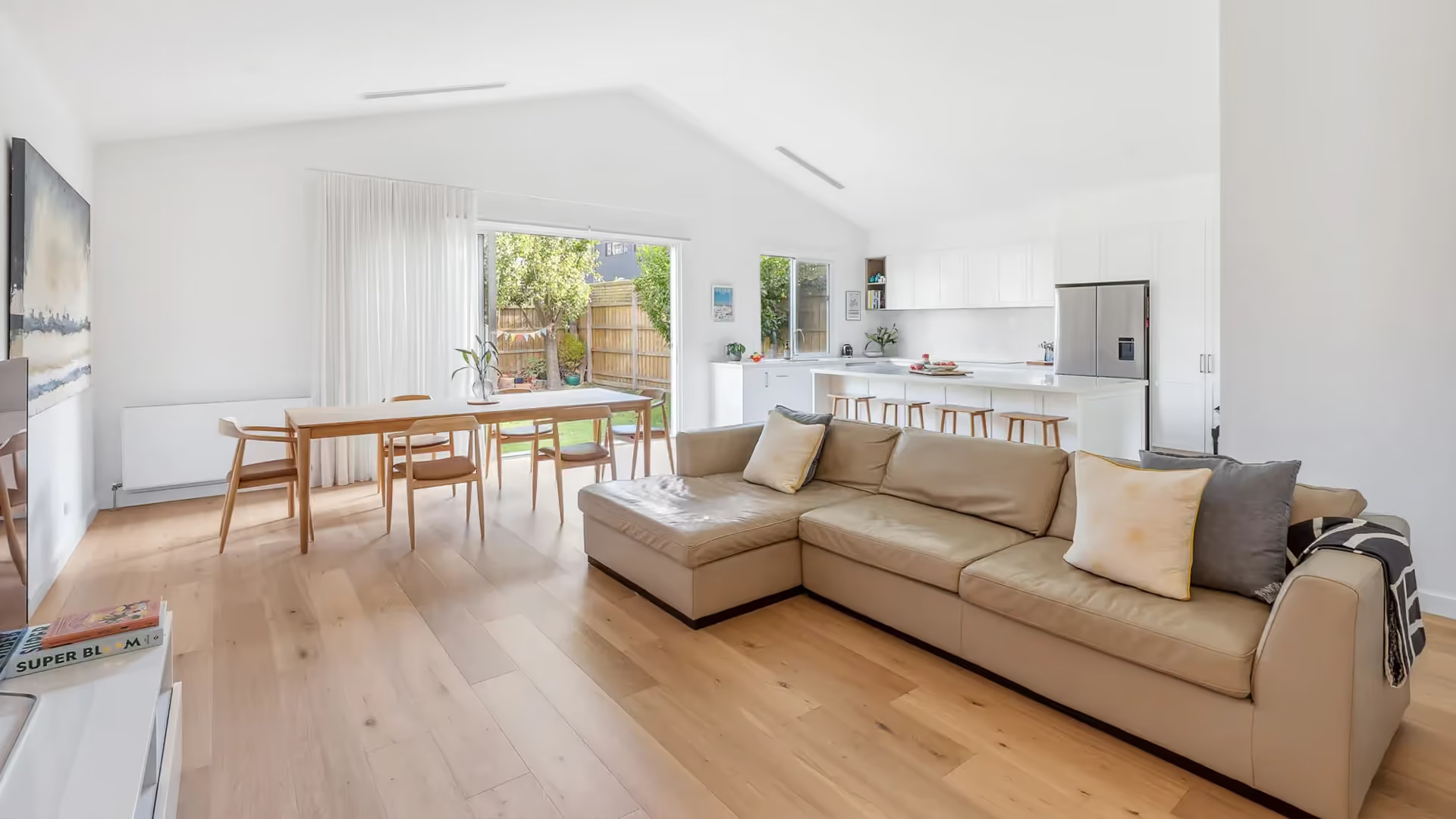
See how extension and rebuild timelines compare
Hear from Supa Group’s team about the time involved in extending versus knocking down and rebuilding, including the additional stages that can influence how long each option takes.
When is a home extension the better option?
A home extension is often the best choice when your existing property has good bones, and you enjoy living where you are. By extending and renovating, you can gain valuable living space, improve functionality and preserve the character of your home without the expense of starting again. For many Melbourne homeowners, it's the ideal way to adapt an older home for modern family life while making the most of their existing investment.
When is a knockdown rebuild the better option?
A knockdown rebuild may be the better solution when the existing home has major structural issues, an impractical layout or significant limitations that make renovation uneconomical. Starting with a blank canvas provides complete design flexibility, allowing you to create a home that better suits your lifestyle, block and long-term plans.
What to consider before making your decision
- Extend if you love your home's character and location.
- Extend when the existing structure is suitable for renovation.
- Rebuild if structural issues make renovation impractical.
- Rebuild when you want complete design freedom.
- Compare the total project costs, timelines and planning requirements.
- Seek professional advice before committing to either option.
How to assess your home before deciding
The best decision starts with a clear understanding of your home, your site and your long-term goals. Before choosing between an extension and a knockdown rebuild, it's worth assessing the property's condition, planning constraints and the total investment required. Taking these steps early can help you avoid costly surprises and choose the solution that delivers the greatest value.
- 01
Step 1: Complete a structural and site assessment
Arrange for experienced professionals to inspect your home's structural condition, foundations and overall site. Understanding what's possible and what challenges may arise will help determine whether extending your home is practical or rebuilding is the better option.
- 02
Step 2: Check planning, zoning and heritage requirements
Review any planning controls, zoning restrictions, neighbourhood character guidelines or heritage overlays that apply to your property. These requirements can influence what can be extended, altered or rebuilt and should be considered before design work begins.
- 03
Step 3: Compare the complete costs and timelines
Look beyond the initial construction cost by comparing demolition, temporary accommodation, approvals, site works, financing and project duration. Considering the full picture will help you identify which option offers the best long-term value for your home and lifestyle.
- 04
Step 4: Consult an experienced design and building team
Once you've assessed your home's condition, planning requirements and overall costs, speak with an experienced design and building team. They can evaluate your property, explain the pros and cons of extending versus rebuilding, and recommend the solution that best suits your budget, lifestyle and long-term goals.
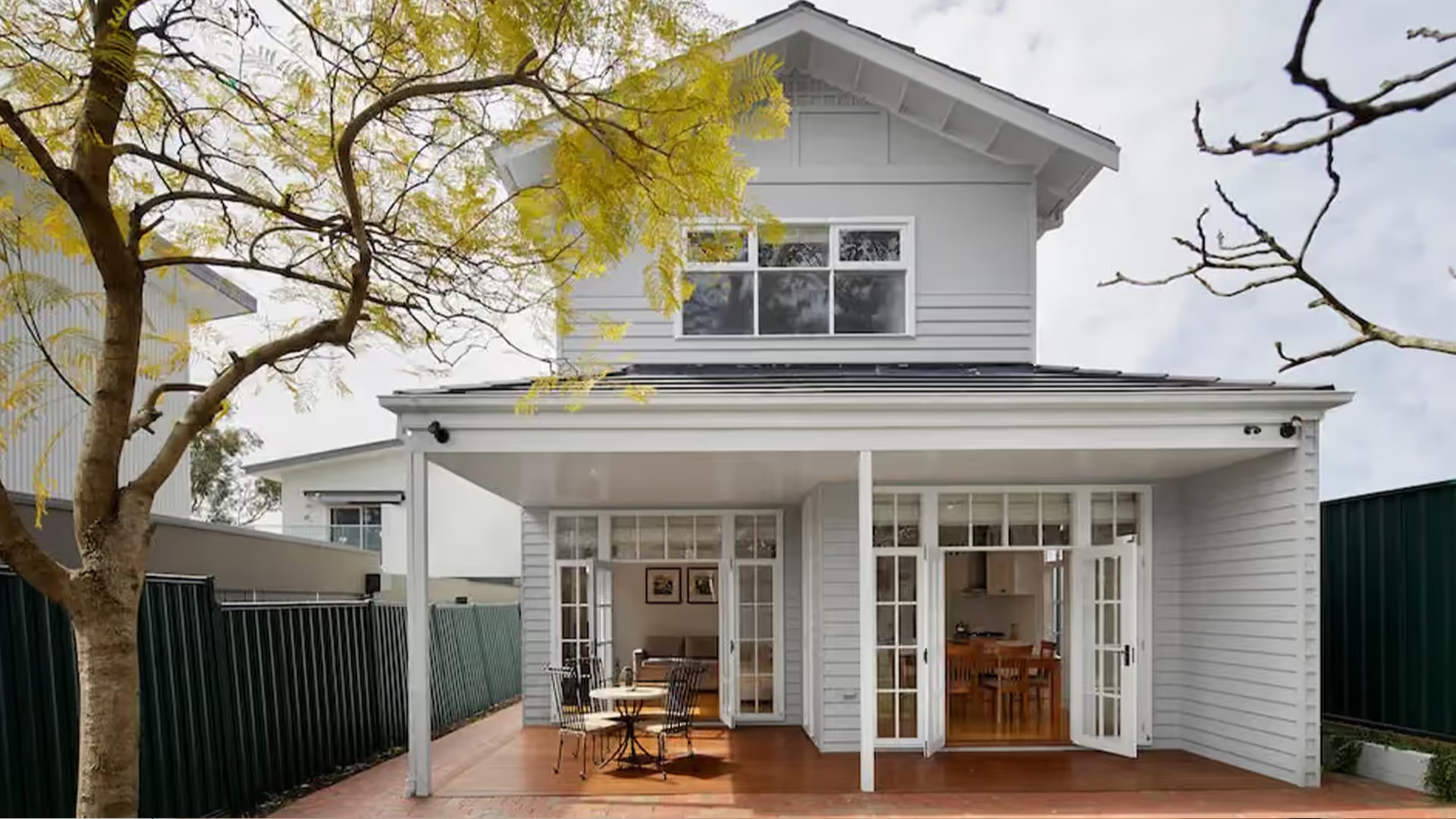
Make the right choice with Supa Group
Choosing between a home extension and a knockdown rebuild is a significant decision, and every property is different. With more than 50 years of experience helping Melbourne families transform their homes, Supa Group can assess your existing property, explain the process, and help you choose the solution that delivers the best long-term outcome for your lifestyle, budget and future plans.

Find the right solution for your home
Every home and every family is different. Whether an extension or a knockdown rebuild is the better choice, Supa Group can help you explore your options and create a plan that delivers the best outcome for your lifestyle, budget and future.


