%201%20(1).svg)


.avif)
Table of contents

The cult Australian film Death in Brunswick captured a suburb in transition. Follow the key filming locations, compare Brunswick then and now, and learn why its Victorian cottages, heritage buildings and historic character remain an important part of Melbourne's architectural story.
Key takeaways
- Death in Brunswick captured Brunswick before major redevelopment reshaped the suburb.
- Many filming locations can still be recognised throughout Brunswick today.
- The film showcases Victorian homes, heritage streets and local landmarks.
- Brunswick blends historic architecture with thoughtful modern development.
- Heritage homes can be updated while preserving their original character.
Why Death in Brunswick captures Melbourne in 1990
Released in 1990, Death in Brunswick is more than a cult Australian comedy, it captures a version of Melbourne that has largely disappeared. Filmed throughout Brunswick, the movie preserves the suburb's working-class character, multicultural community and distinctive Victorian streetscapes before apartment developments reshaped many of its main roads. Today, it offers a fascinating glimpse into the people, homes and neighbourhoods that defined Brunswick at the time.
Why the film still matters today
Death in Brunswick offers more than entertainment. It has become a visual record of Brunswick during a period of significant change, allowing viewers to compare the suburb's historic streets and architecture with the neighbourhood that exists today.
What you'll discover in this guide
- Iconic Death in Brunswick filming locations across Brunswick
- How Melbourne's streets and architecture have changed since 1990
- Historic Victorian homes, terraces and local landmarks featured in the film
- Heritage buildings that still contribute to Brunswick's unique character
- How period homes can be preserved and adapted for modern living
Where was Death in Brunswick filmed?
Many of the Death in Brunswick locations are still recognisable today, making the film a fascinating way to explore Brunswick's history. From bustling shopping strips to heritage landmarks and quiet residential streets, each location captures a different side of Melbourne as it appeared in 1990.
- Visit filming locations that still retain much of their original character.
- Compare Brunswick's historic streets with the suburb as it exists today.
- Discover how local architecture helped shape the film's memorable setting.

Sydney Road and the nightclub
Sydney Road is one of the most recognisable Death in Brunswick locations, providing the backdrop for Carl Fitzgerald's workplace and much of the film's atmosphere. In 1990, the strip was lined with independent businesses, family-run shops and older commercial buildings. While many storefronts have changed, Sydney Road remains one of Brunswick's defining landmarks and still reflects the suburb's multicultural character.

Progress Theatre and Melbourne General Cemetery
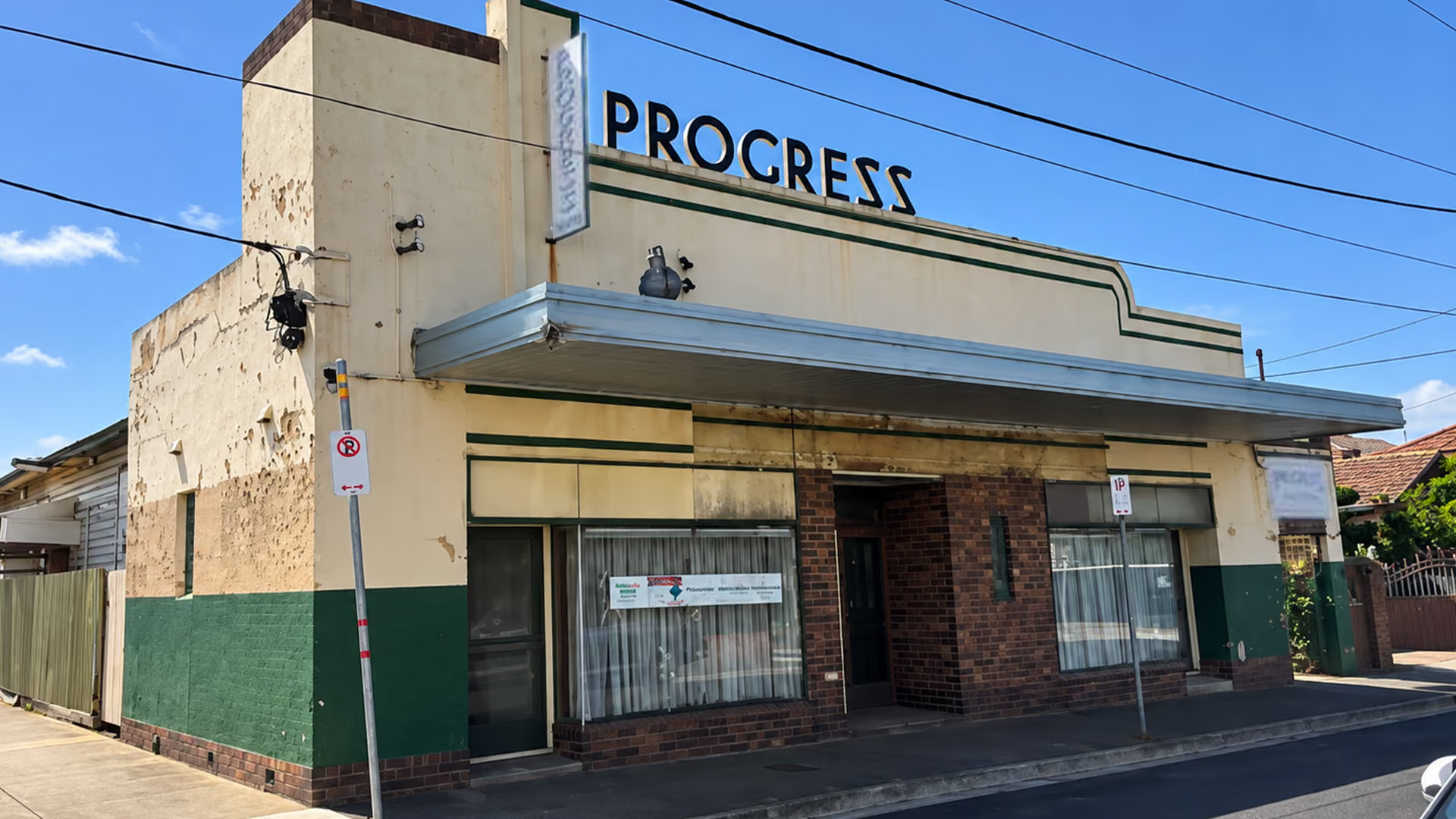
Carl's date with Sophie takes place at the historic Progress Theatre in Coburg, while the Melbourne General Cemetery provides the setting for one of the film's most memorable scenes. Both locations remain important parts of Melbourne's cultural and architectural history, giving fans the chance to experience places that have changed very little since filming.

Brunswick's homes and residential streets
Beyond its famous landmarks, Death in Brunswick showcases the modest Victorian cottages, terraces and residential streets that once dominated the suburb. Many of these heritage homes still stand today, preserving the neighbourhood's historic character even as contemporary developments continue to reshape parts of Brunswick.
What did Brunswick's housing look like in the film?
One reason Death in Brunswick still feels authentic is its portrayal of Brunswick's diverse housing stock. The suburb's streets were filled with modest workers' cottages, Victorian terraces and industrial buildings that reflected more than a century of Melbourne's growth. Many of these architectural styles remain today, giving the film lasting historical value.
- Discover the heritage homes that gave Brunswick its distinctive character.
- Learn how different architectural styles shaped the suburb's identity.
- See why many period homes continue to be preserved and renovated.
- Understand how historic buildings contribute to modern Brunswick's streetscape.

Victorian workers' cottages and terraces
Much of Death in Brunswick was filmed among Brunswick's rows of Victorian workers' cottages and terraces. Built during Melbourne's rapid population growth in the late 1800s, these modest homes featured decorative brickwork, cast-iron lacework and narrow frontages. Many remain highly sought after for their heritage character and proximity to the city.

Bluestone buildings
Bluestone was widely used throughout Brunswick for homes, walls and public buildings because of its durability and local availability. The film captures examples of this distinctive volcanic stone, which continues to be one of Melbourne's most recognisable heritage building materials.
.svg)
Iron houses and industrial heritage
Brunswick also features rare corrugated iron homes and former industrial buildings that reflect the suburb's manufacturing past. These unique structures provide a glimpse into Melbourne's early development and remain an important part of the area's architectural story.

Art Deco buildings
Although Victorian architecture dominates the film, Brunswick also showcases striking Art Deco façades that emerged during the early 20th century. These buildings add another layer to the suburb's architectural character, highlighting how Brunswick evolved while retaining much of its historic streetscape.
How has Brunswick changed since Death in Brunswick?
Since Death in Brunswick was filmed, Brunswick has experienced significant urban renewal. While much of its historic character remains, changing housing needs, population growth and redevelopment have reshaped parts of the suburb. These changes have transformed how people live, work and experience one of Melbourne's most recognisable inner-city neighbourhoods.

Apartment development and changing streetscapes
New apartment buildings now line sections of Sydney Road, Lygon Street and Nicholson Street where lower-density housing and commercial buildings once stood. While these developments have increased housing supply and supported a growing population, they have also altered some of the streetscapes captured in the film. Fortunately, many heritage precincts and period homes remain protected, preserving Brunswick's distinctive character.

The decline of corner stores and industrial sites
The local corner store was once a fixture of almost every Brunswick neighbourhood, serving as both a convenience and a community meeting place. As shopping habits changed and larger supermarkets expanded, many of these businesses disappeared. Likewise, former factories, brickworks and manufacturing sites have gradually made way for residential developments and mixed-use precincts.

A shift from working-class suburb to lifestyle destination
Brunswick has evolved from a manufacturing hub into one of Melbourne's most sought-after inner-city suburbs. Cafés, creative businesses and independent retailers now occupy many older commercial buildings, creating a vibrant neighbourhood while giving new life to historic architecture.

Preserving heritage while embracing growth
Despite decades of change, Brunswick retains much of the character seen in Death in Brunswick. Victorian cottages, heritage shopfronts and historic public buildings still contribute to the suburb's identity, demonstrating how thoughtful conservation and modern development can coexist.
Which historic Brunswick buildings remain today?
While Brunswick has continued to evolve since Death in Brunswick was filmed, many of its historic buildings remain an important part of the suburb's identity. Walking through Brunswick today, you'll still find Victorian cottages, bluestone homes, Art Deco façades and former industrial buildings that reflect more than 150 years of Melbourne's architectural history.
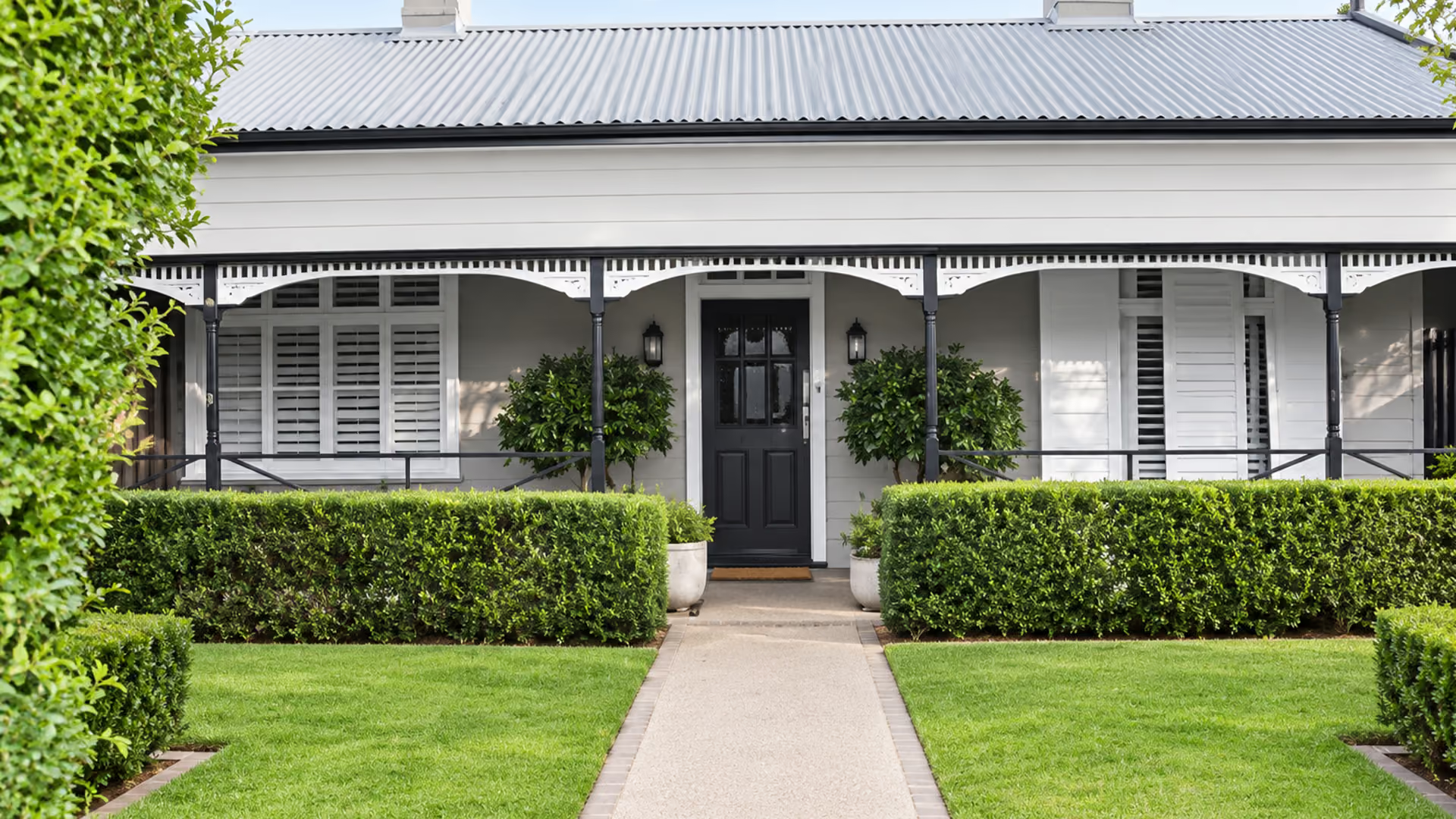
Many of the residential streets featured in the film continue to showcase late Victorian workers' cottages and terraces, complete with decorative brickwork, cast-iron detailing and traditional verandahs. These homes have become highly desirable, with many thoughtfully restored or extended to suit modern lifestyles while preserving their original character.
Brunswick's industrial past is also visible in its repurposed factories, warehouses and manufacturing buildings. Once home to brickworks, engineering workshops and textile businesses, many of these historic structures have found new life as apartments, offices and community spaces, allowing their distinctive architecture to remain part of the local streetscape.
Other notable heritage features, including rare corrugated iron houses, bluestone buildings and surviving corner stores, continue to tell the story of Brunswick's working-class origins. Together, these buildings create the unique mix of old and new that makes the suburb instantly recognisable, whether you're revisiting the filming locations from Death in Brunswick or simply exploring one of Melbourne's most character-filled neighbourhoods.
Renovating and extending a historic Brunswick home
Brunswick's period homes deserve a thoughtful approach that respects their heritage while creating spaces suited to modern family living. With more than 50 years of experience renovating and extending homes across Melbourne, Supa Group understands how to enhance character-filled properties without compromising their architectural integrity.
.svg)
Respecting heritage character
We design extensions that complement Victorian and period homes, preserving the features that make them unique.

Concept to completion
Our integrated team manages everything from design and approvals through to construction for a seamless experience.

Experience with Melbourne period homes
Decades of working across Melbourne have given us a deep understanding of heritage streetscapes and traditional building styles.

Modern living, timeless design
We create functional spaces that improve comfort and liveability while remaining sympathetic to the home's original architecture.

Transparent building process
Fixed-price contracts, guaranteed timelines and clear communication help provide certainty throughout your project.
.svg)
Built on over 50 years of trust
Since 1974, Melbourne families have relied on Supa Group to deliver quality home extensions backed by industry recognition and a 10-year structural guarantee.

Ready to bring new life to a period home?
If you're planning to renovate or extend a heritage home in Brunswick or elsewhere in Melbourne, our experienced team can help you create a design that respects its history while meeting the needs of modern living. Speak with Supa Group to start your project with confidence.